
Issue 1/2026 Volume 42 Number 1

Thermal Performance Upgrades for Facade Assemblies

Author Daniel L. Bishop, AIA

Office building facade view from ground up

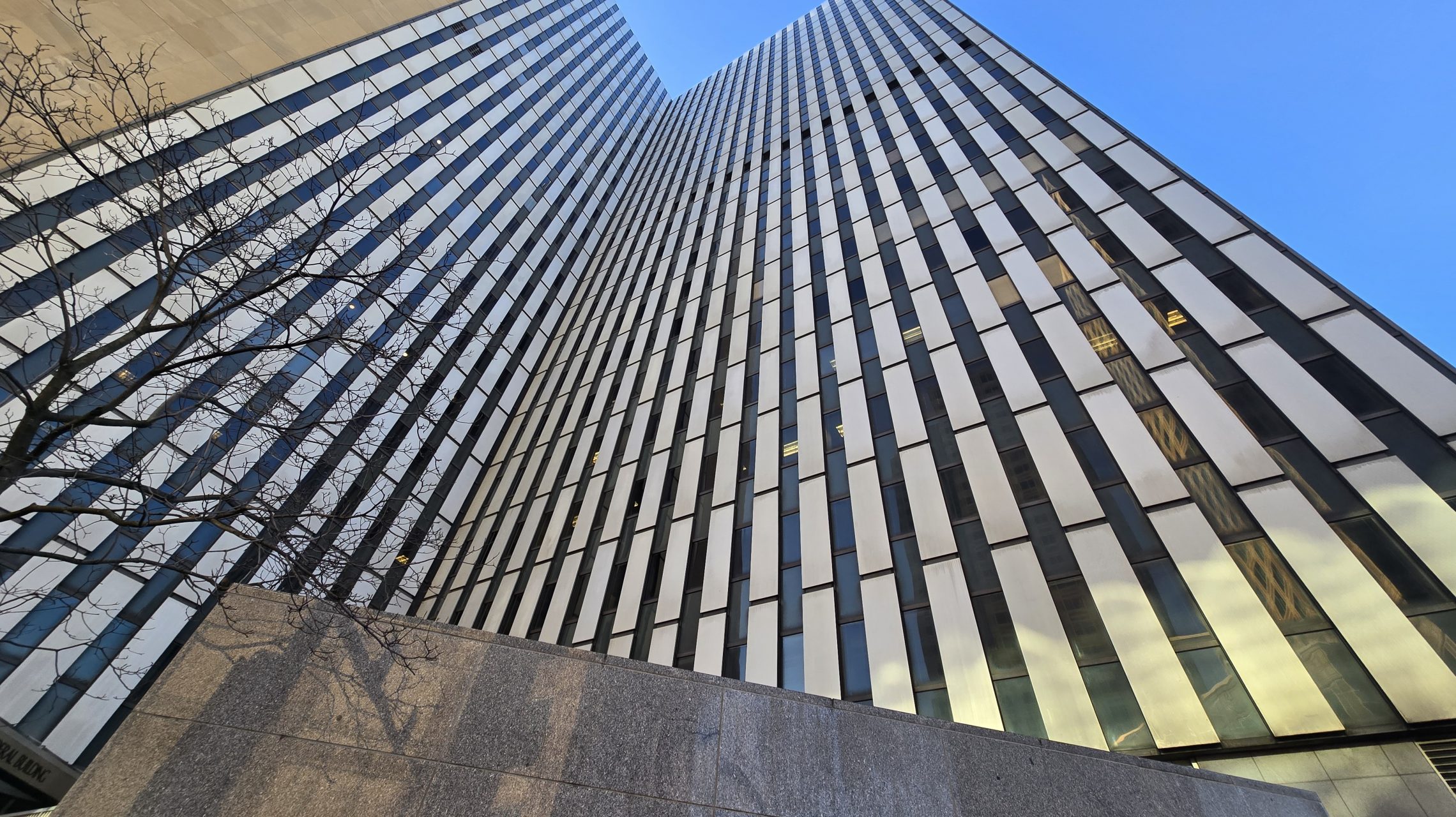
Aging structures like this Pittsburgh office tower, built in 1964, offer little resistance to heat loss, cycling between uncomfortable extremes.

It’s July, and the stairwell of an office building in downtown Pittsburgh is oppressively hot. Heat and humidity hang in the enclosed space, lit by a vertical stack of aluminum-framed, single-pane windows. In the offices, it’s not much better; those at the perimeter of the building are stifling, little cooler than the stairwell despite the air conditioning. In the winter, these same spaces are freezing and drafty, the heating system struggling to keep up. Like much of the nation’s aging building stock, the office building was built at a time when little attention was paid to thermal performance.

Despite the decades-long push for tighter energy code regulations, buildings still consume a tremendous amount of energy. According to the U.S. Department of Energy’s National Renewable Energy Laboratory, buildings are responsible for 40% of total energy use in the United States, including 75% of all electricity use and 35% of the nation’s carbon emissions.

Although 25% of buildings were built after 2000, the U.S. Energy Information Administration reports that the median age of buildings in 2018 was 36 years, a figure that likely has increased since then. What these numbers show is that enforcing higher standards for energy performance in new buildings is important, but just as critical is addressing the energy consumption and carbon emissions of the buildings that already exist.

Whether a building is repurposed for new programming, as in an adaptive reuse project, or upgraded to meet the evolving needs of current tenants, systematic review and rehabilitation of facade assemblies presents an opportunity to extend the lifespan of the building while achieving energy performance improvements.
How Heat Moves Through Facades

At the Pittsburgh office building, thermal energy was traveling across the facade, between interior and exterior, through the three distinct modes of energy transfer: conduction, convection, and radiation. To address the uncomfortable interior conditions, the design team needed to identify how heat moves through the building enclosure.

Conduction is the transfer of thermal energy without bulk travel of particles (through surface contact). In our case study, the exterior metal frame of the curtain wall would heat up in the summer sun via radiation (see below), then conduct that heat to other metal elements within the assembly, eventually reaching the interior. In winter, the process worked in reverse, with thermal energy from the heated building interior traveling via uninsulated metal elements through to the cold exterior.

The facade material need not be metal for this process to occur; heat conduction can occur through any adjacent materials, though some are more conductive than others. The rate of heat flow is a product of the materials’ thermal conductivity, surface area, and the temperature gradient between exterior and interior. Dense materials, such as metal and stone, are good conductors of heat and therefore have high thermal conductivity, while low-density substances, such as wood, foams, and polymers, are poor conductors and therefore used as insulators.

It’s important to note that when materials absorb water, their properties can change. For example, fiberglass insulation that becomes wet no longer provides the same resistance to conduction, because the water replaces air in the material and increases its density and overall thermal conductivity.

Convection is the transfer of thermal energy with the bulk movement of particles due to variation in density, by a fluid or gas medium. An example is when hot air on a summer day enters an air-conditioned building through a failed joint and rises within the room (warmer air has lower density), resulting in a draft as conditioned air settles, a noticeably warmer temperature near the open joint, and an increase in temperature of the surrounding area as thermal equilibrium takes effect.

Radiation is the transfer of energy through electromagnetic waves, whether as visible light or as energy on the ultraviolet or infrared spectrum. Waves in the infrared range are perceived as heat. Unlike conduction or convection, heat radiation does not require a material through which to travel – not even air. When infrared solar radiation enters a room through window glazing, it increases the kinetic energy of molecules in nearby surfaces, raising their temperature.

Often, the culprit for poor thermal performance is some combination of these three modes of heat transfer: conduction lets heat exchange through building materials that aren’t properly insulated, radiation admits heat through untreated windows, and convection circulates cold and warm air that penetrates due to air leakage.

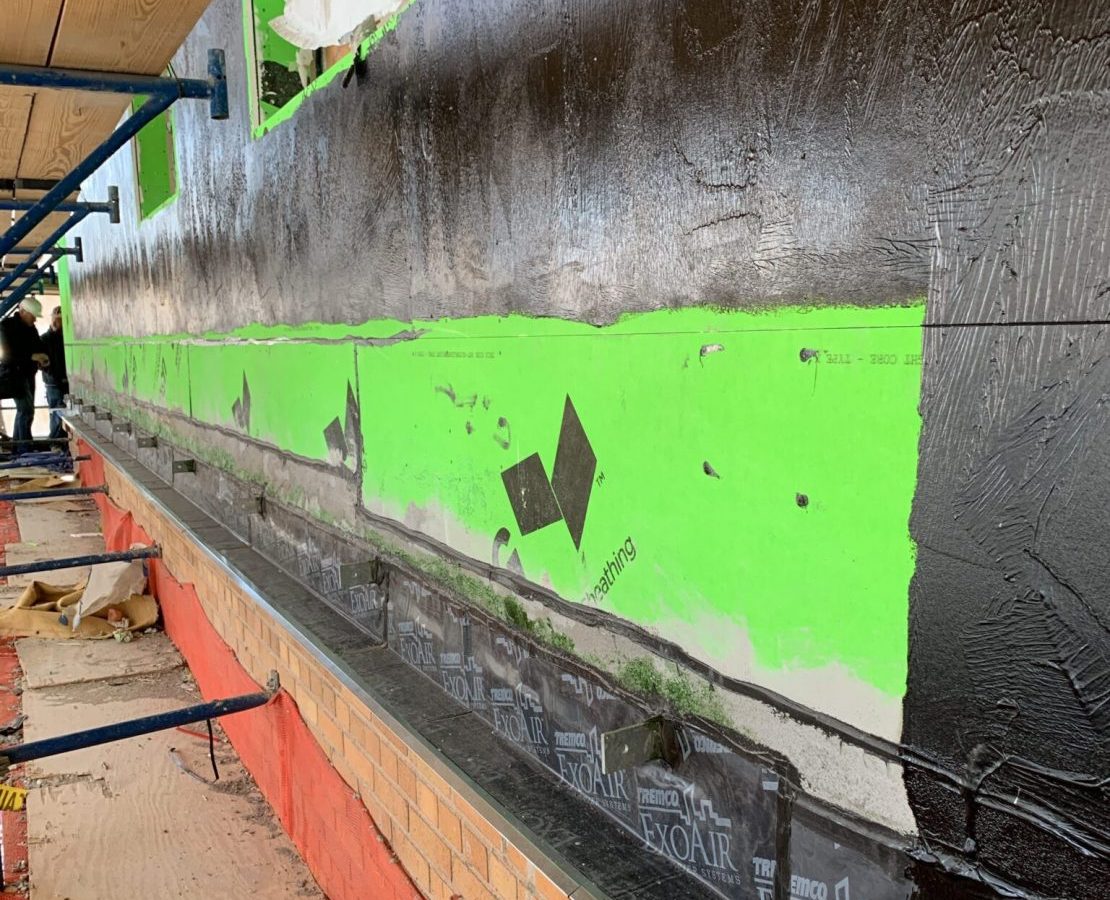
Insulation and continuous air barrier in an exterior wall under construction.

Insulation prevents heat loss via conduction, while air barriers protect against convection.

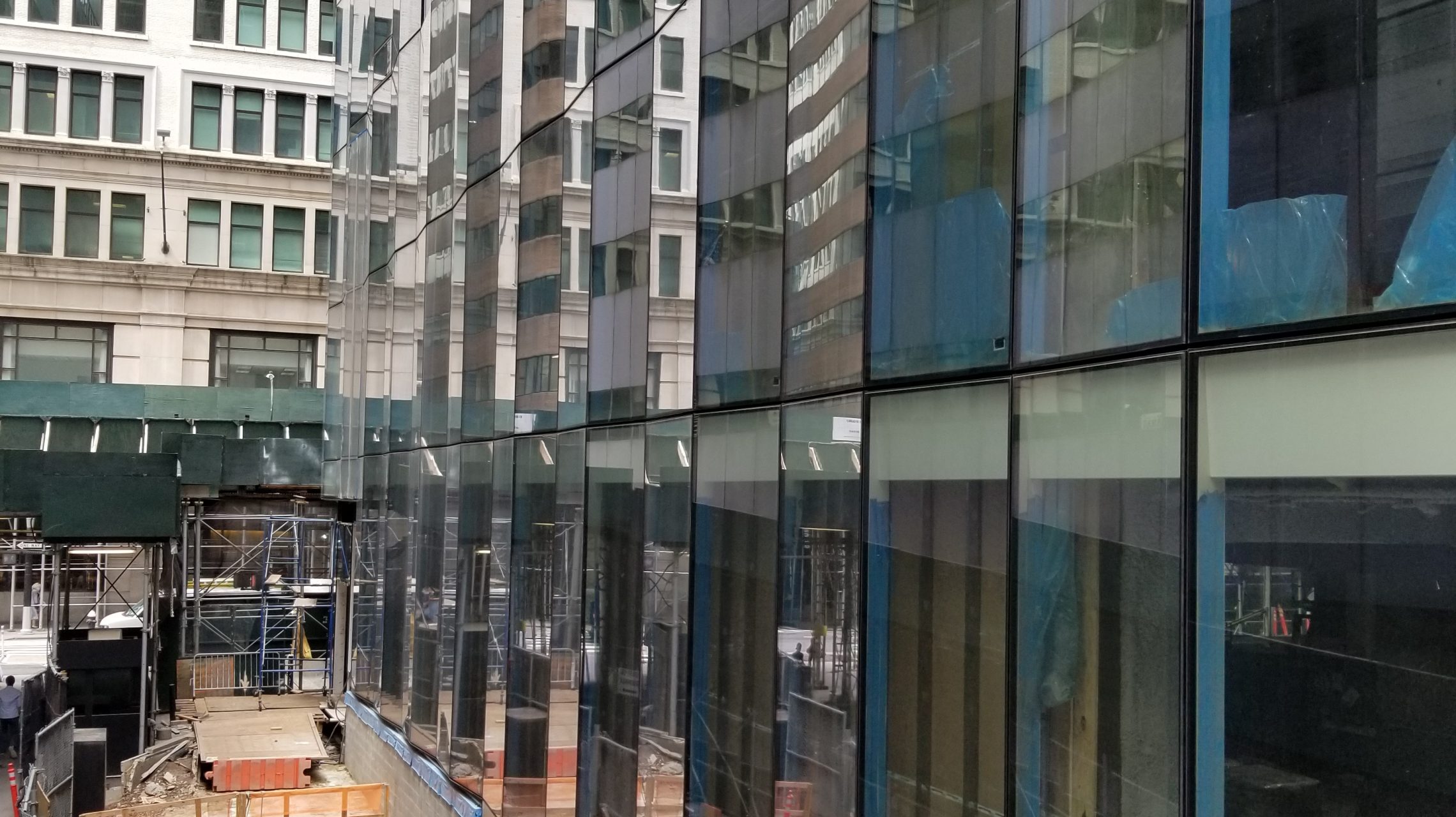
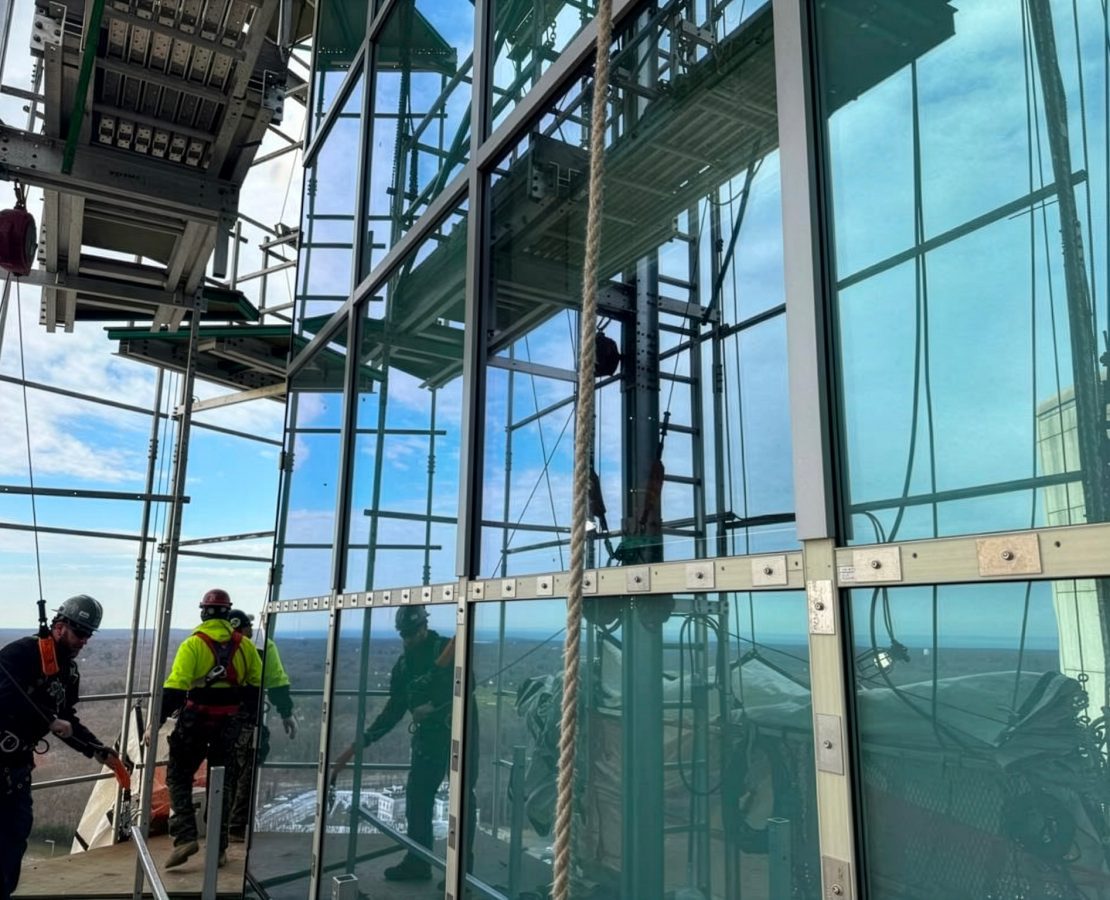
New glazed curtain wall installation at an existing facade.

Installing insulated, low-e glazing protects against heat loss via conduction and radiation.

Building Control Measures

Given the opportunity, heat energy will travel between cladding and interior walls, roofs and attics, and from floor to floor by means of conduction, convection, and radiation. Knowing this, the rehabilitation designer’s job is to limit this movement and optimize energy efficiency and occupant comfort.

Managing Conduction

Insulation is probably the most common intervention to address heat transfer through conduction. While adding insulation does not eliminate conduction entirely, it does slow it down. Insulating materials have a high R-value and so provide resistance to the transfer of heat energy from one side of the insulation to the other. In retrofit applications, it is crucial to consider where new insulation is installed to limit condensation potential on building components, as adding insulating material changes the location of the dew point within the wall assembly. Mitigating condensation is the reason the vapor retarder is located on the winter warm side of insulation in the Northeast region, while in the balmy Southeast, it’s on the summer cool side. For historic buildings, it’s worth noting that adding insulation to the interior face of exterior walls may increase thermal cycling, potentially accelerating deterioration.

Physical separation within assemblies, such as the hermetically sealed gap in an insulating glass unit or the air and drainage cavity in a rainscreen wall, are also design measures aimed at minimizing conduction.

Controlling Convection

Continuous air barriers are the primary way to manage convection at the building exterior. Typically, air barriers are composed of a membrane or fluid-applied material, although other assemblies, such as solid concrete or masonry walls, also can be considered air barriers. The key term is continuous: joints, penetrations, seams, terminations, and material intersections must have intentional transitions. Of particular interest in building enclosure design is whether the air barrier also performs as a vapor retarder. While assemblies can have multiple air barriers, multiple vapor retarders within a single assembly can lead to trapped moisture.

Active Radiant Heat Control

Solar shades are one of the most visible interventions to address heat from radiation. Positioned at the exterior facade, they form a physical barrier between the sun’s radiant energy and the building and so reduce the heat load, like sitting under an umbrella on a hot day. During cooler months, when the sun is lower in the sky, solar shades can be designed to admit more sunlight and radiant energy into the building. Sun control elements come in a variety of designs and configurations, from vertical fins to horizontal light shelves. The extensive roof overhangs in vernacular buildings of hot and arid climates also achieve similar aims.

High-reflectance materials may be less noticeable to occupants, but they are another means to mitigate heat from radiation. Low-emissivity (low-e) coatings can be applied to glazing during fabrication or as a post-construction film. Designed to minimize impact on visible light transmittance (VLT) and maintain full-spectrum daylight, they reflect non-visible infrared radiation back into the atmosphere, which would otherwise cause solar heat gain to raise interior temperatures. Other reflective surfaces, including the foil face of insulation or high-albedo (reflective) cladding products, similarly reduce the amount of radiant energy absorbed by the building enclosure.

Quantifying Resistance to Heat Transfer

A Glossary

Emittance (or emissivity) quantifies a surface’s ability to emit radiant energy. Emittance is measured on a scale from zero to one; the lower the emittance of a material, the lower the heat (infrared energy) radiated from its surface. Aluminum foil has a very low emittance, which explains its use in reflective insulation and radiant barriers.

Reflectance refers to the fraction of incoming electromagnetic energy that is reflected from the surface. Reflectivity and emissivity are inversely related; a low emittance is indicative of a highly reflective surface. For example, aluminum with an emittance of 0.03 has a reflectance of 0.97.

Solar Reflectance Index (SRI) combines solar reflectance and thermal emittance to provide a single value of how well a material will stay cool when exposed to solar heat. Surfaces with a high SRI reflect heat energy and emit absorbed heat efficiently. Commonly associated with roofing materials, SRI is also useful as a metric for evaluating facade finishes.

Solar Heat Gain Coefficient (SHGC) indicates the fraction of solar infrared radiation that passes through a window, either transmitted directly or absorbed and subsequently released. Like emittance and reflectance, SHGC is represented as a value between zero and one, where lower numbers mean less solar heat admitted. Uncoated, single-glazed windows and curtain walls have high SHGC values, which, coupled with the glare of unfiltered sunlight, explains occupants’ discomfort in perimeter offices during warmer months.

Thermal mass is the ability of a material to absorb, store and release heat. Thermal lag is the rate at which a material releases stored heat. For most common building materials, the higher the thermal mass, the longer the thermal lag. Concrete, stone, and other materials with high thermal mass can help regulate indoor temperatures by absorbing heat during warmer periods and releasing that stored heat slowly when temperatures drop.

R-value measures thermal resistance, or how well a material resists heat flow through conduction. Typically used to rate insulation, R-values that are high indicate better insulating properties.

U-factor (or U-value), the inverse of R-value, indicates thermal transmittance, or the rate at which heat transfers through an assembly. Here, a lower number means better insulation. In the U.S., U-factor tends to be applied to glazing, whereas R-value is used for opaque materials.

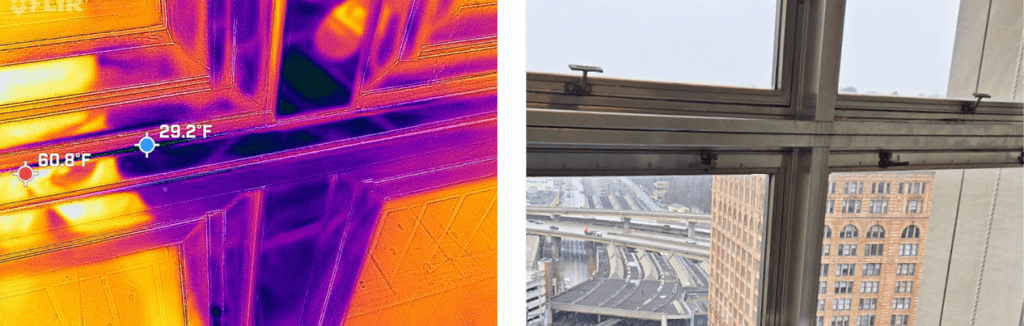
A pair of images showing infrared thermography on the left and standard photography on the right, both of a junction in a metal curtain wall frame.

Infrared thermography (left) reveals heat loss across a metal curtain wall frame (right).

Building Performance Metrics

Understanding how a building is performing, or needs to perform, is key to approaching thermal enclosure design.

Benchmarking tracks a building’s energy and water use, applying a standard metric to compare current performance with past measurements and with peers. Requirements are established by city or state laws and ordinances, such as the Clean Energy DC Omnibus Amendment Act of 2018 in Washington DC and Local Law 84 of 2009 in New York City. Other cities, including Boston, Philadelphia, Pittsburgh, Providence, Chicago, and Atlanta, as well as states such as New Jersey, Maryland, Massachusetts, California, Oregon, and Washington, have benchmarking laws on the books.

Energy modeling software provides a digital representation of how a building element, assembly, or enclosure may perform thermally. These models use established data points, such as standard values for a given material’s thermal conductivity and emissivity, together with environmental metrics, including temperature, wind patterns, and humidity, to run a simulation and quantify performance over a period of time or with static data points.

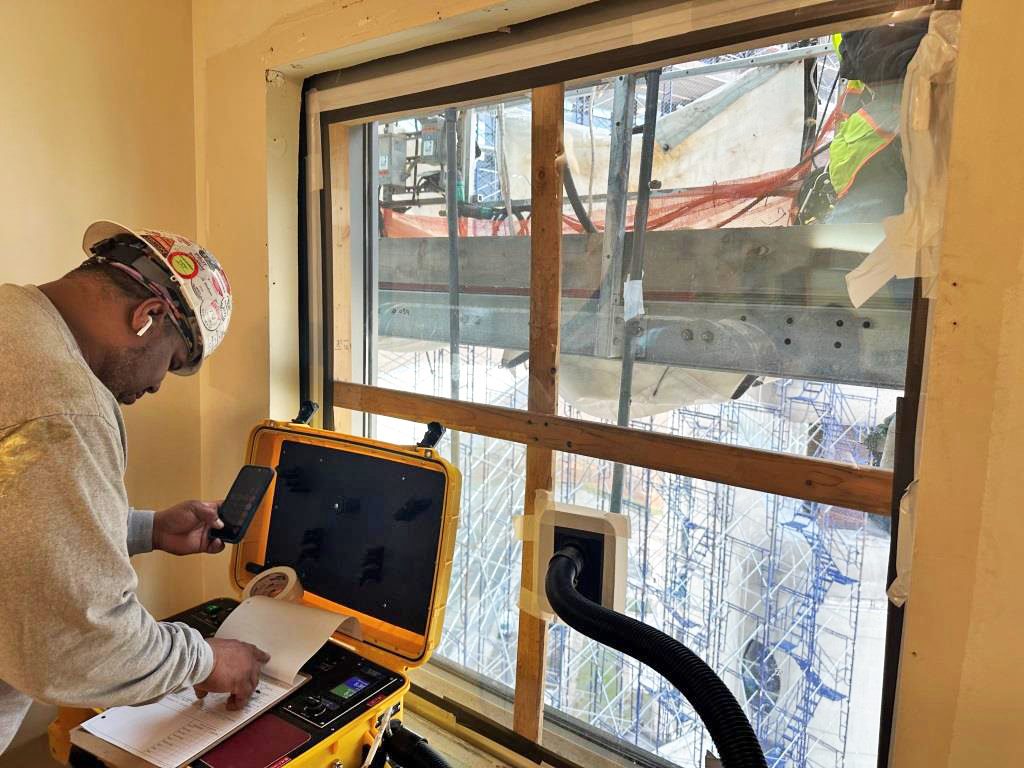
Material/assembly testing evaluates building enclosure components in situ or in the lab according to desired performance metrics. For example, to determine the insulating property (R-value) of building materials, manufacturers use laboratory testing such as ASTM C518: Standard Test Method for Steady-State Thermal Transmission Properties by Means of the Heat Flow Meter Apparatus. Testing for air pressure differentials and water penetration can assist in identifying sources of convection heat transfer, as well as drafts and leaks. Blower door testing evaluates the integrity of a building’s air barrier system by using a large fan in a sealed building to positively or negatively pressurize the structure and measure the flow rate of air.

Thermography employs cameras capable of capturing infrared light and representing that data in an image, enabling the design team to visualize heat loss across the building enclosure and identify points of significant leakage. This non-invasive technique is often a first step in evaluating the enclosure for signs of compromised thermal integrity but does require specific indoor and outdoor temperature differentials to be effective.

Architectural assessment by a licensed design professional experienced in building enclosure design is essential to contextualizing the results of any laboratory or on-site testing. Investigation into the facade assembly construction and existing conditions offers insight into why observed heat loss is occurring, and a condition survey can uncover concealed deficiencies that may be contributing to thermal inefficiencies or deteriorating prematurely due to unchecked thermal cycling, leaks, and other defects.

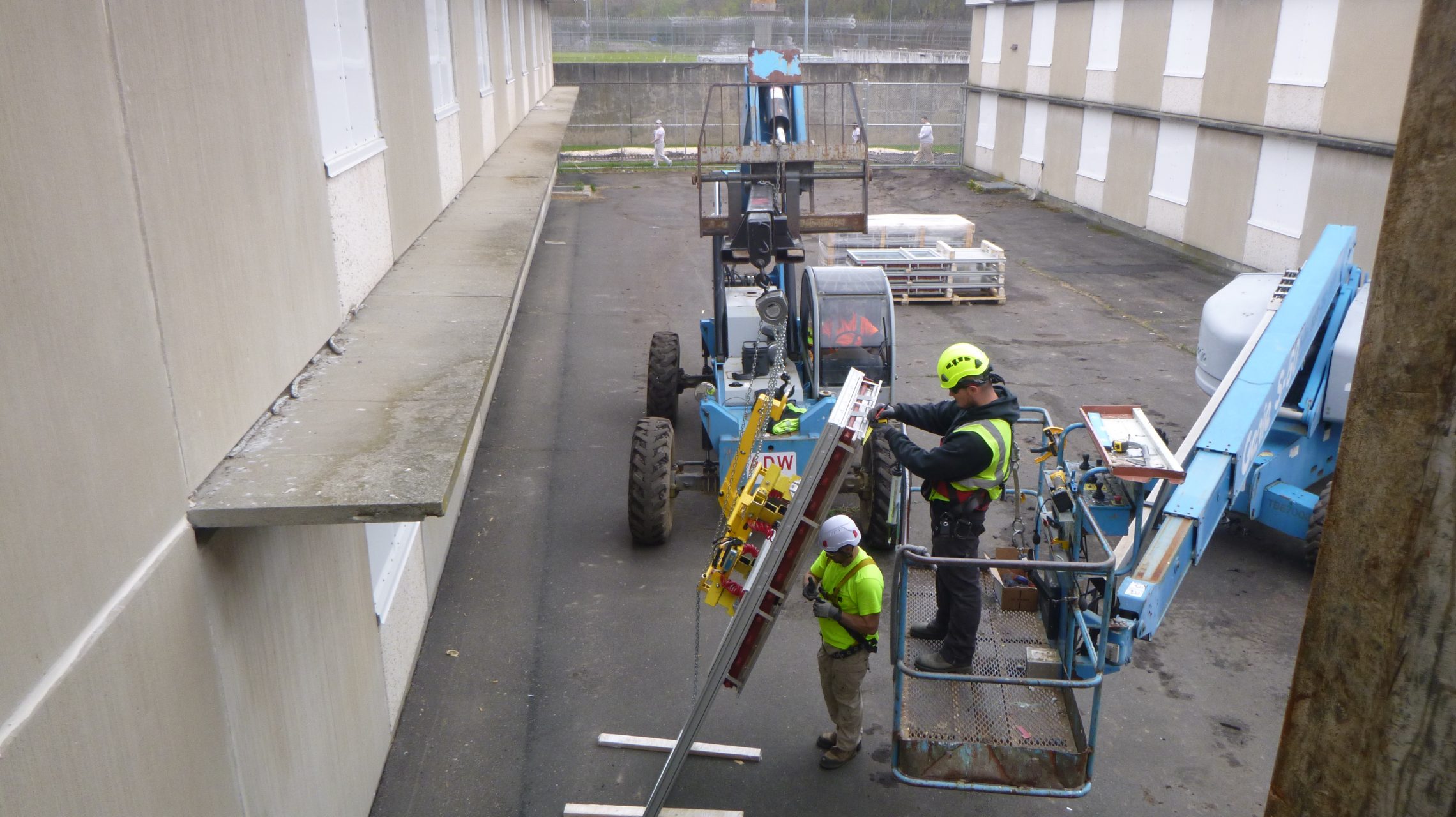
Construction workers prepare to install a large new window at a secure facility.

For secure facilities, the weight of insulated containment glazing poses retrofit challenges.

Retrofit Strategies

Now that the design team has identified deficiencies, traced their source, and conducted a thorough condition assessment, it’s time to determine the best way to remedy the issues. Often, there is not one best solution. The approach depends on the owner’s goals for the building, as well as the needs of occupants and the anticipated disruption remedial measures might cause.

Addressing deferred maintenance should be part of any facade upgrade strategy. For instance, sealing penetrations and replacing elastomeric joint sealant limits air flow between interior and exterior, improving performance.

After the design team completed their evaluation of the Pittsburgh office building, they presented several rehabilitation options and compared them based on constructability, life cycle, cost, and other metrics. While the following is not a comprehensive list of strategies to address thermal performance in an existing facade, it does offer insight into the possibilities.

Adding Interior Insulation

The least disruptive option includes the replacement or installation of insulation at the interior side of the building wall. There may be breaks where floor slabs and partition walls meet the exterior wall, preventing a continuous thermal layer. Consideration must be given to the existing configuration of insulation within the assembly and how the exterior wall manages moisture, as the addition of insulation can lead to condensation issues due to changes in the location of the dew point.

Material options for insulation include mineral wool, fiberglass, and cellulose, which take different forms, from rigid boards to loose fill to batts and rolls. Spray foam is another option, available in two basic types based on whether the foam cellular structure is fully encapsulated (closed cell) or porous (open cell). Closed-cell foams are more rigid and typically have higher R-values than their open-cell counterparts. Also, unlike open-cell foams, they may act as a vapor retarder when applied in sufficient thickness. Finally, consider that plastics are combustible, while products like mineral wool are not.

Reflective insulation, which incorporates a low-emissivity surface material (typically aluminum), is an effective barrier against radiant heat transfer because it reflects almost all the infrared radiation striking its surface and emits very little of the heat conducted through it. By virtue of its impermeable surface, reflective insulation also reduces convective heat transfer when detailed intentionally.

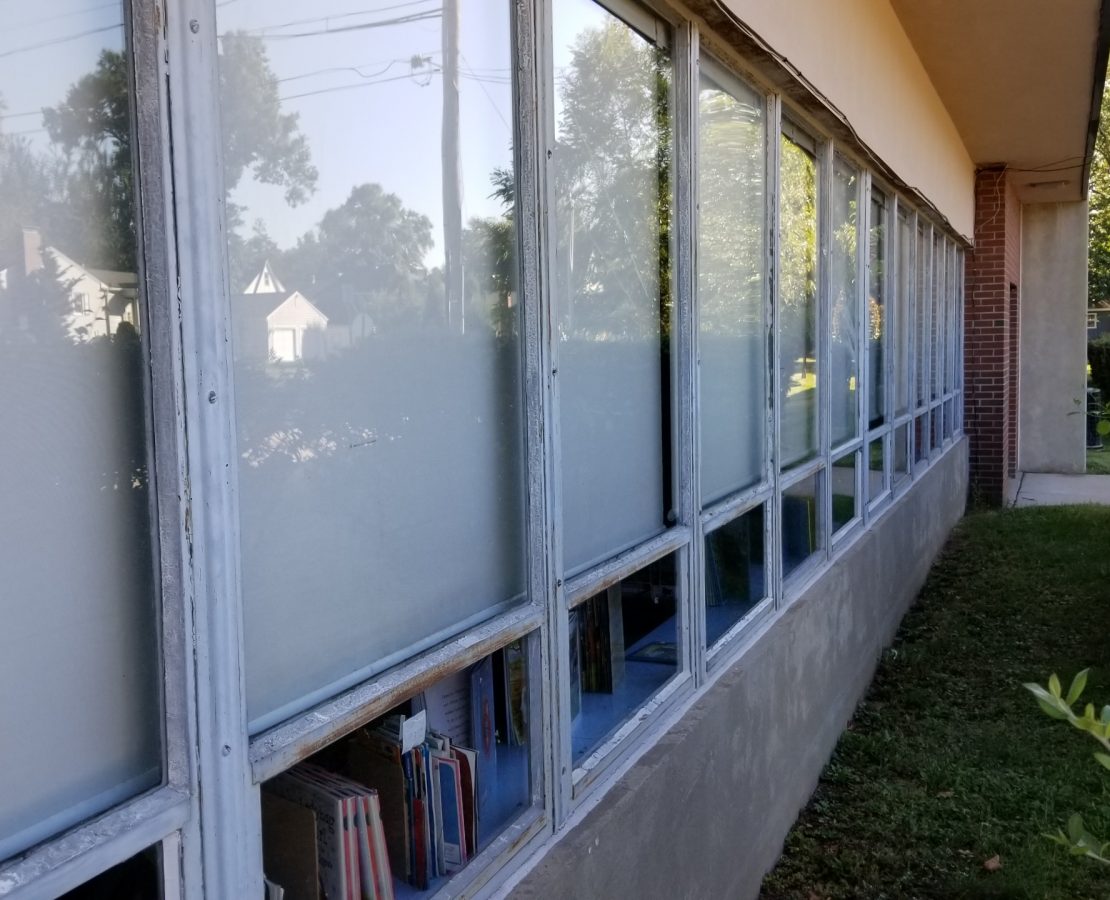
Aging metal-framed windows at a one-story grade school
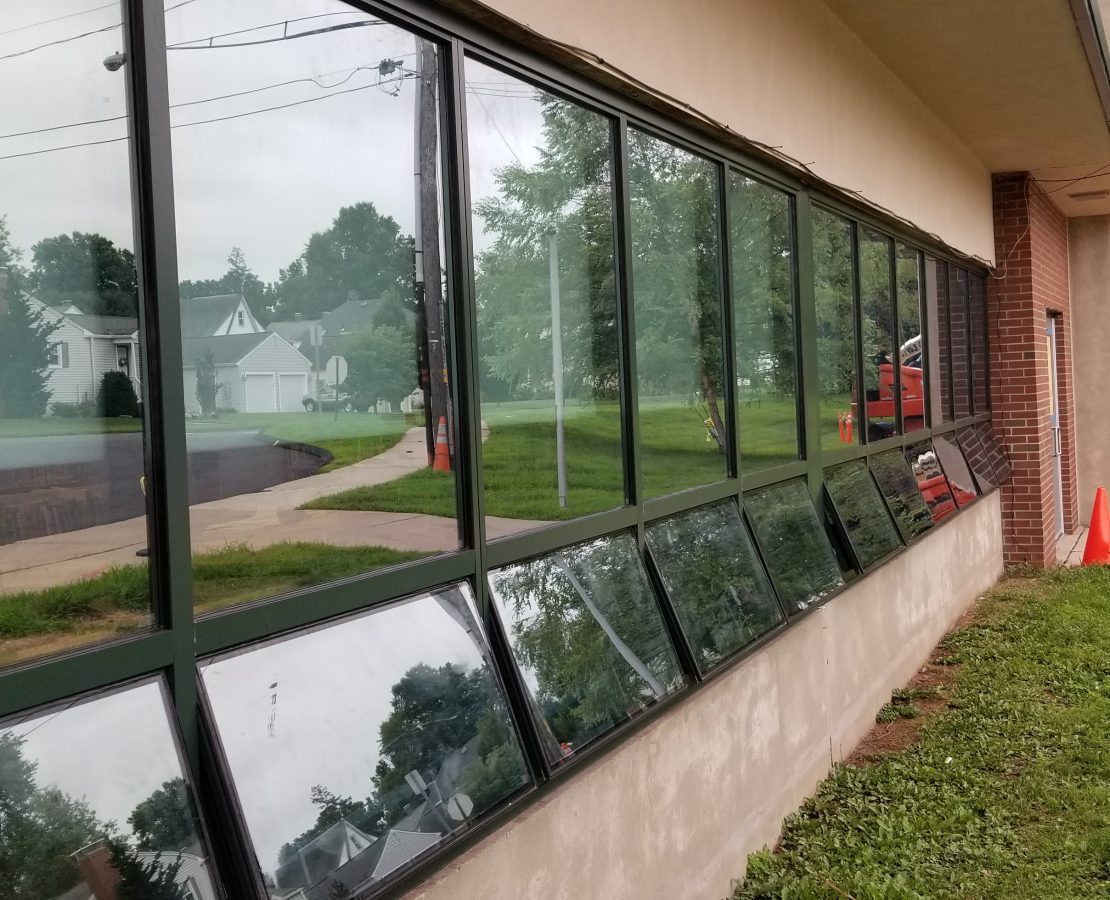
New replacement windows, with lower awning-style portion open, at a one-story grade school

New windows improve energy efficiency, indoor comfort, and aesthetics at this grade school.

Fenestration Alteration and Replacement

Of all building exterior components, fenestration systems have undergone arguably the greatest level of technological improvement in the modern building era. Advancements in thermal performance over the past few decades include thermal breaks between interior and exterior elements (conduction), hermetically sealed insulated glazing units (conduction), and low-e coatings (radiation). By replacing existing single-pane glazing with insulated, coated glass and thermally broken framing, owners can realize significant energy savings and noticeably improve indoor comfort.

Prior to alteration or replacement of any glazing system, a licensed design professional should evaluate the load capacity of existing fenestration framing and building structure, as augmentation may be necessary to accommodate the increased weight of thicker glazing. Where window units are replaced entirely, the design must consider how the new components tie into the existing wall and its air and moisture controls, if any, as well as modern wind pressure code requirements and the receiving structure’s gravity load capacity.

For historic buildings, fenestration upgrades demand additional considerations. Preserving materials while realizing energy improvements can prove challenging, and alterations to properties on landmark registries may require approval from the local authority having jurisdiction. The Secretary of the Interior’s Standards for the Treatment of Historic Properties provides guidance on improving performance with sensitivity to historic qualities.

Hygrothermic Modeling

After a Maryland university constructed a new home for their nursing school, the now-vacant 1950s building at the center of campus presented an opportunity for repurposing.

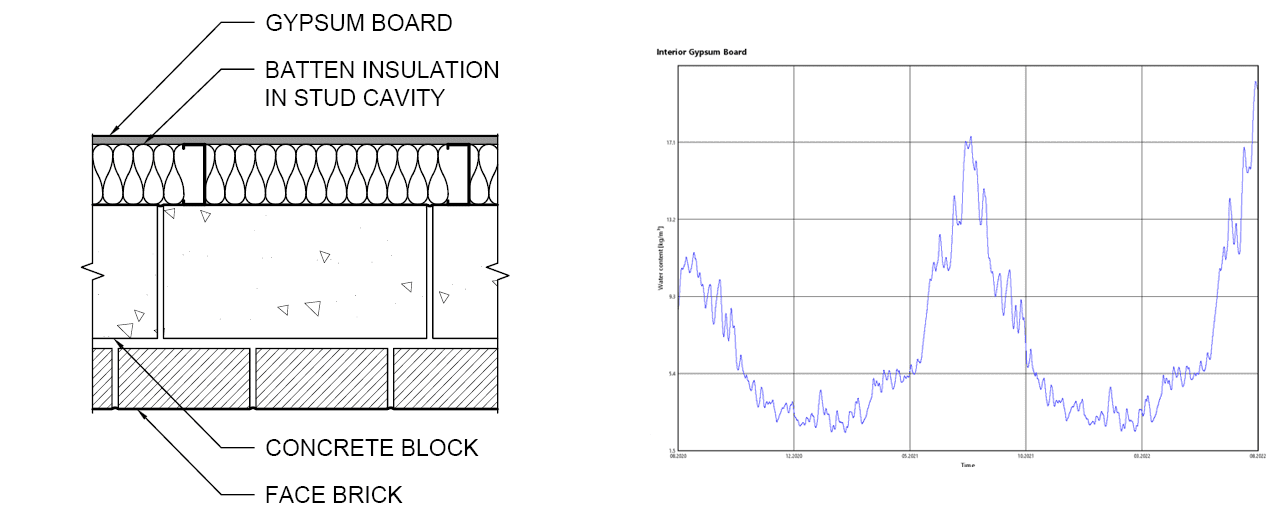
Thermal performance was a central concern, so the school undertook a study to assess existing conditions and evaluate options to upgrade the facade. The existing masonry barrier wall facade assembly, primarily face brick with concrete masonry unit (CMU) backup, did not include thermal or moisture control layers. The exterior wall R-value, a measly 1.9, was based on masonry and CMU as the sole contributors. Using hygrothermic modeling software, the design team evaluated potential alteration scenarios with added interior insulation. WUFI (Wärme Und Feuchte Instationär, German for “heat and moisture transiency”), developed by the nonprofit Fraunhofer Institute for Building Physics, is one such tool to model how heat and moisture move through the building enclosure over time.

Adding inboard insulation would require construction of interior framing and a gypsum board finish. To anticipate possible pitfalls in retrofit work, the architect created a software model of the wall assembly, with interior layers of glass fiber insulation and painted gypsum board finish. The model uses historical data to project moisture content in the wall materials over a two-year period. As the resultant chart illustrates, moisture content of the gypsum board is expected to rise over time, an indicator that the wall assembly may not perform well, as it is susceptible to condensation and mold growth.

Left: Section drawing of existing wall assembly with addition of interior insulation. Right: WUFI diagram of interior gypsum board water content over a two-year period.

A better alternative might be mineral wool insulation with a vented drywall cavity, or application of closed-cell spray foam insulation to create a continuous vapor retarder at the inside face of the CMU block. Note, however, that the foam plastic option would likely require a combustibility barrier, since it is flammable. Adding a vapor retarder also restricts moisture drive to one direction, so the design team must consider how this modification affects the wall system. Additional questions that should be verified include whether an existing coating or excessive shade might compromise the wall’s ability to dry to the exterior and whether maintenance of the roof and wall joints is sufficient to prevent over-saturation of the facade assembly.

Build-Over Facades

In some cases, owners are looking for more than just isolated upgrades to individual facade components like windows or insulation. Where full facade replacement is cost-prohibitive or hazardous materials would make removal of facade elements a risk to health and safety, one option is to superimpose a new facade assembly over the existing one. By reusing some components of the existing system, a build-over approach also reduces waste.

However, there are several considerations to this strategy that limit its widespread viability. Engineering analysis is necessary to determine how the new assembly will be anchored to the building, whether directly to the existing facade or via tie-backs to the underlying superstructure. Additionally, the design must reconcile how the existing and new system will work in concert to manage thermal energy and water successfully. When considering increasing the exterior wall thickness, property lines and possible encroachment are also a consideration.

Facade Replacement

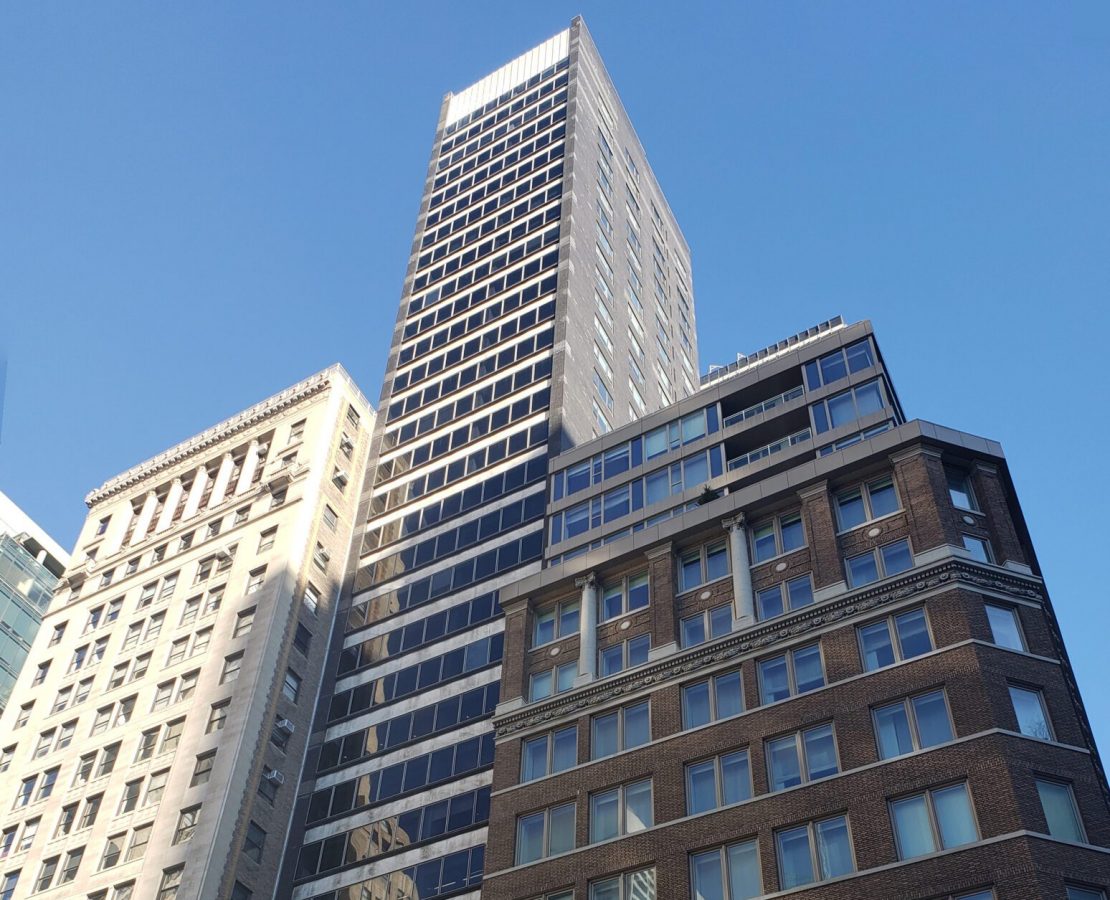
“Reskinning” the facade has become increasingly popular, not only for upgrading thermal performance but also for revamping facades to accommodate changes in occupancy, such as converting an office building to a residential complex. The most intensive option of those considered here, in terms of cost, disruption, time, and materials, facade replacement involves full removal of the existing assembly back to the building structure and installation of an entirely new enclosure system. Popular systems for facade reskinning include fully glazed and large-panel rainscreen assemblies. Since it incorporates all new materials that can be modeled and tested, this option provides the most readily quantifiable performance.

A high-rise residential tower in New York with a glazed curtain wall facade, prior to rehabilitation
A high-rise residential tower in New York with a glazed curtain wall facade, during rehabilitation

Facade replacement offers the ability to transform both appearance and efficiency. Here, the existing facade (left) was inefficient and dated, while the new facade (right) revitalizes the look of the building while dramatically improving performance.

Assessing the Options

One option at the Pittsburgh office building: keep things as they are. True, the 1960s curtain wall and windows do not meet modern standards for thermal performance, but the components are in relatively good condition. Periodic sealant replacement would maintain air and water penetration control at the barrier wall system, and the assembly would probably continue to perform as is for many more years.

That’s just the problem, though – it would continue to perform as is, which hasn’t exactly been good. A second option is to replace the single-pane glazing in the curtain wall and stairwell window wall with insulating glass units (IGUs) that incorporate low-e coatings. While this option doesn’t address heat transfer across the conductive metal frames, it does dramatically improve U-value and SHGC. Existing fenestration framing would need to be modified to accommodate the thicker glass.

A third option, priced between the first two, is to replace just the stairwell window wall and install a field-applied solar control film at the curtain wall glazing, which would improve SHGC and U-value, but has the trade-off of diminishing visible light transmittance.

Finally, the most comprehensive option is full replacement of the fenestration system. Of the four, this is the only option that addresses thermal conductivity in the glazing frame, as the replacement assembly includes thermal breaks. The cost of such an intervention would be nearly double that of replacing the vision glazing alone and four times the price of the field-applied solar film option.

Choosing a rehabilitation strategy is never straightforward, especially with unknowns in as-built conditions that sometimes don’t emerge until after construction is underway. Still, for the Pittsburgh office building, isolated replacement and addition of a solar control glazing film might strike the right balance between limiting disruption and improving conditions for occupants. Plus, the lower up-front cost could buy time before more comprehensive upgrades are necessary.

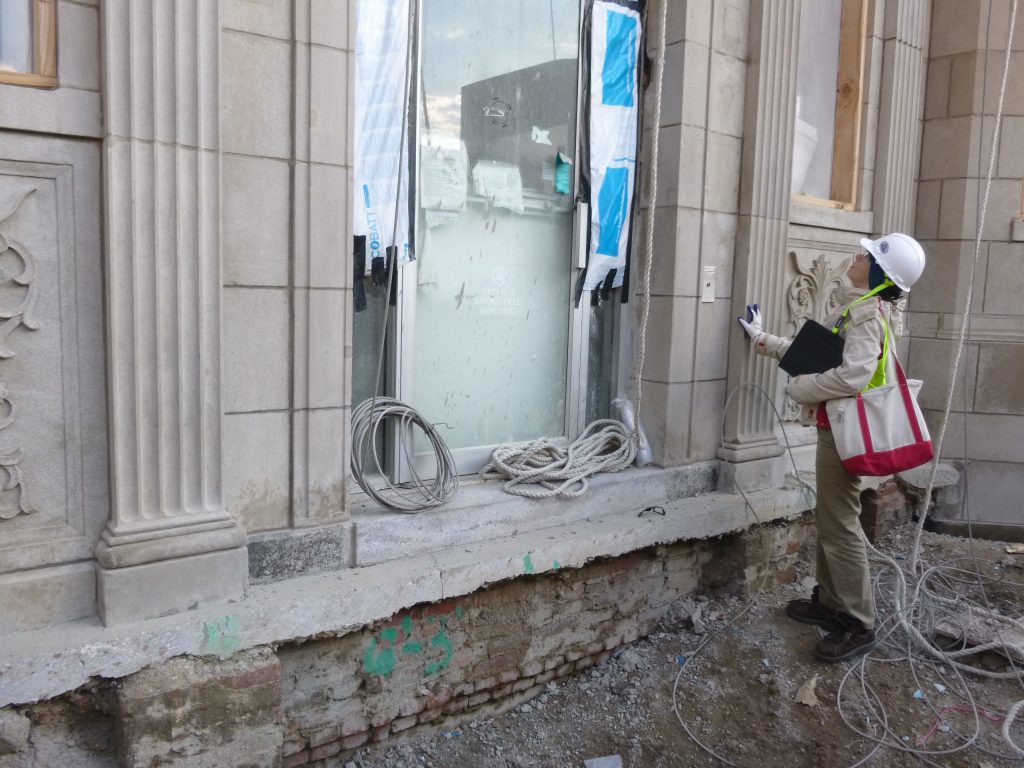
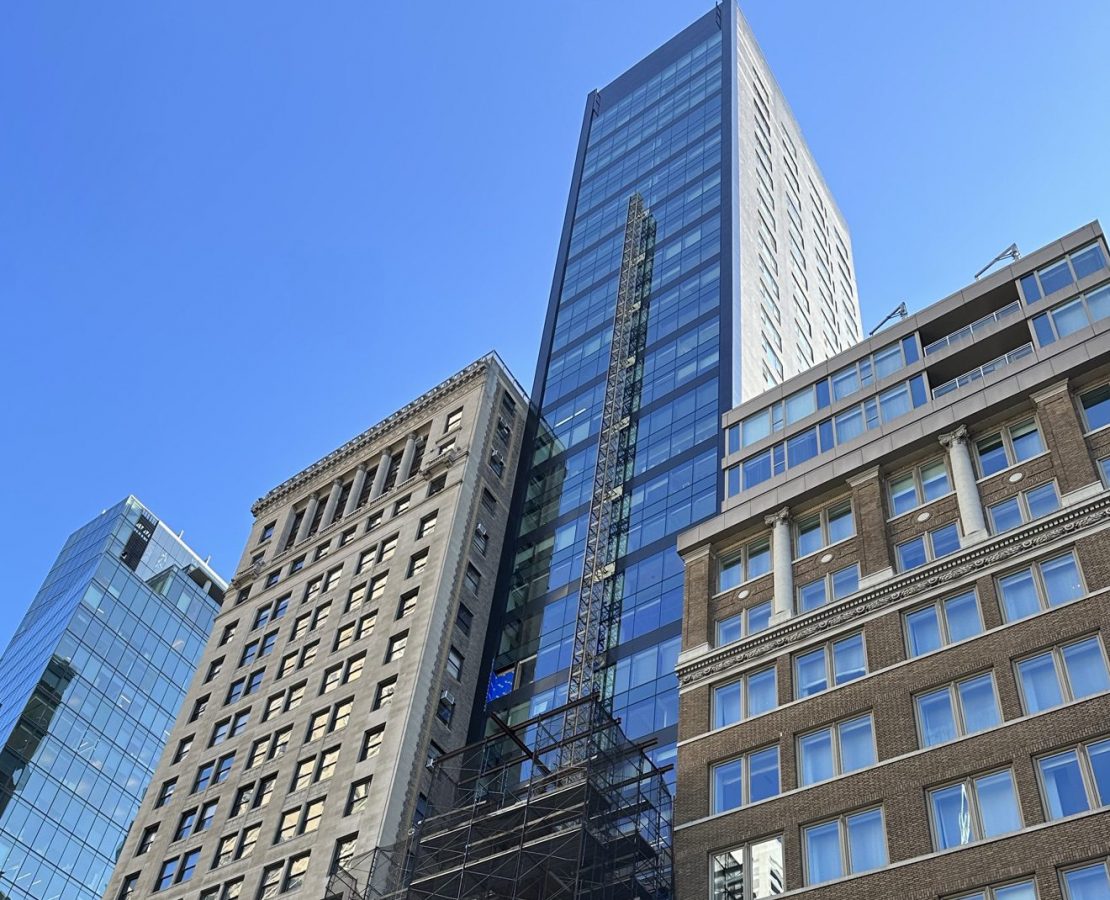
Installation of a new glazed curtain wall facade at a historic building as part of an adaptive reuse

Facade upgrades showcase adaptive reuse while improving energy performance.

Daniel Bishop headshot

About the Author

Daniel L. Bishop, AIA is Vice President and Director, Architecture with Hoffmann Architects + Engineers. As manager of the Virginia office, he oversees project teams in developing energy retrofits for existing building enclosure systems, and he provides consultation for new construction on the thermal performance of exterior assemblies.

Are you ready for the exam?

The JOURNAL offers American Institute of Architects / Continuing Education System (AIA/CES) Learning Units.